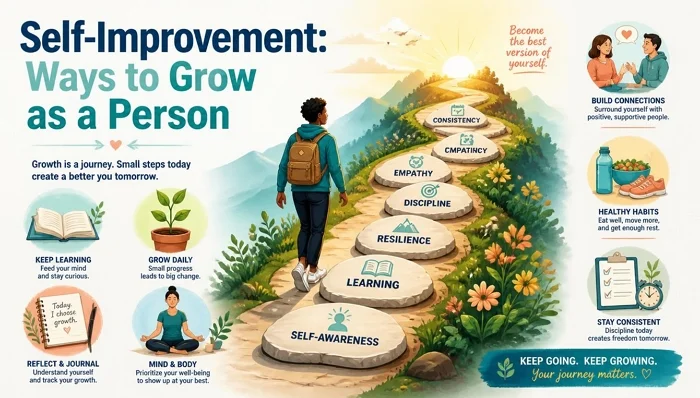
Recently, I found myself exploring the world of altruism and kindness. I wanted to meet good people, listen to their stories of generosity, and learn more about the values that shape their lives. Beyond their kind actions, I was curious about who they truly were and what made them see the world differently.
Through these encounters, I began to realize that people who live with compassion, integrity, and generosity can teach us some of life’s most valuable lessons. Their actions, personalities, and beliefs serve as powerful examples of how we can become better versions of ourselves.
My experiences with these individuals helped me understand that self-improvement is not simply about achieving success or reaching personal goals. It is also about developing empathy, embracing change, treating others with respect, and discovering what gives our lives meaning.
In many ways, the people who inspire us most are those who remind us that personal growth begins with small, everyday choices.
The Meaning of Self-Improvement
Self-improvement is a lifelong journey of learning, reflection, and personal development. It involves understanding ourselves, recognizing our weaknesses, building on our strengths, and making choices that bring us closer to the person we want to become.
But self-improvement is not always about making dramatic changes. Sometimes, it means becoming more patient, showing kindness to a stranger, forgiving ourselves for past mistakes, or finding the courage to follow a dream.
Here are 20 meaningful ways to understand self-improvement and apply its principles to everyday life.
20 Meaningful Ways to Practice Self-Improvement
1. Follow Your Heart and Pursue Your Dreams
Self-improvement means listening to your inner voice and pursuing the things that genuinely matter to you. Instead of living only to meet other people’s expectations, take time to discover your interests, values, and aspirations.
Your journey may look different from everyone else’s, and that is perfectly fine. Personal growth begins when you start building a life that reflects who you truly are.
2. Embrace Change Instead of Fearing It
Change can be uncomfortable, especially when it takes us away from familiar routines. However, many of life’s most valuable lessons come from experiences that challenge our comfort zones.
Self-improvement means being willing to make changes when they can help you grow. You do not need to have every answer before taking the first step. Sometimes, progress begins with the courage to try something new.
3. Make Time for What Makes You Happy
A meaningful life is not measured only by professional achievements, money, or recognition. It also depends on whether you make room for the activities, relationships, and experiences that bring you genuine happiness.
Take time to understand what makes you feel fulfilled. Whether it is spending time with loved ones, learning a new skill, or enjoying a quiet moment alone, your happiness deserves a place in your daily life.
4. Appreciate the Simple Things in Life
We often assume that happiness comes from reaching major milestones or acquiring more possessions. Yet some of life’s most rewarding moments are surprisingly simple.
A heartfelt conversation, a peaceful morning, a walk outdoors, or a kind gesture from someone can make an ordinary day memorable.
Personal growth means learning to appreciate these moments rather than constantly waiting for something bigger or better to happen.
5. Greet Others With a Smile
A smile may seem like a small gesture, but it can make another person feel welcome and appreciated. We rarely know what someone else is experiencing, and a little warmth can sometimes brighten a difficult day.
Self-improvement includes becoming more aware of how our behavior affects others. A sincere smile, a friendly greeting, or a few thoughtful words can help create a more positive environment.
6. Build a Vision and Believe in It
Having a vision gives direction to your personal development journey. It helps you identify what you want to achieve and reminds you why your efforts matter.
Believing in your dreams is an important starting point, but belief becomes more powerful when supported by consistent action. Set realistic goals, develop useful habits, and take small steps toward the future you want to create.
You do not need to accomplish everything at once. What matters is continuing to move forward.
7. Let Music Inspire Your Imagination
Music has a unique ability to connect with our emotions and encourage us to see the world from a different perspective. A meaningful song can remind us of our hopes, challenge our assumptions, or inspire us to imagine a better future.
John Lennon’s Imagine, for example, invites listeners to reflect on peace, unity, and a world where people can live together with greater understanding.
Self-improvement also involves making space for art, music, and ideas that encourage reflection and help us reconnect with our deepest values.
8. Treat People in Need With Compassion
Imagine seeing someone asking for help on the street. Instead of immediately judging their circumstances, consider how you would treat a person you love if they were in the same situation.
This simple shift in perspective can help us respond with greater empathy. Not everyone can offer financial assistance, but many people can offer respectful words, practical help, or a moment of human connection.
Compassion begins when we recognize the dignity of others, regardless of their circumstances.
9. Remember That Everyone Has a Story
Life is rarely as simple as it appears from the outside. People carry private struggles, disappointments, responsibilities, and fears that others may never see.
Before judging someone’s behavior, remember that you may not understand the full story. This does not mean excusing every action, but it does mean approaching people with patience and a willingness to understand.
Developing this awareness can improve your relationships and help you become a more thoughtful person.
10. Avoid Gossip and Harmful Words
Words can build trust, but they can also damage reputations and relationships. Speaking negatively about others without understanding the facts can cause unnecessary pain and encourage a culture of mistrust.
Personal growth means becoming more responsible with the words we use. When a conversation turns toward gossip, consider whether your contribution will help anyone or simply create more negativity.
Choosing kindness does not mean remaining silent about genuine problems. It means addressing them honestly and respectfully.
11. Develop Empathy for Others
Empathy is the ability to recognize and consider another person’s feelings and experiences. It encourages us to look beyond our own perspective and become more attentive to the needs of those around us.
You can develop empathy by listening without interrupting, asking thoughtful questions, and avoiding assumptions about people’s motivations.
The more we practice understanding others, the more meaningful our relationships can become.
12. Stand Against Animal Abuse
Compassion should extend beyond our relationships with other people. Animals can experience pain, fear, and distress, and they deserve to be treated with care and respect.
Self-improvement includes becoming more aware of animal welfare and refusing to dismiss cruelty as unimportant. Supporting responsible animal care, reporting suspected abuse through appropriate channels, and treating animals gently are practical ways to put compassion into action.
How we treat vulnerable living beings can reveal a great deal about our values.
13. Appreciate Kindhearted People
Kindness is not a weakness. It takes strength to remain considerate in a world where impatience, competition, and criticism can sometimes seem more common.
When you meet someone who consistently treats others with respect, appreciate that quality. Recognize their efforts and learn from their example.
Surrounding yourself with people who demonstrate honesty, generosity, and compassion can encourage you to develop those same qualities in your own life.
14. Never Belittle Others
Making someone feel inferior does not make you more important or capable. Belittling others can undermine their confidence, damage relationships, and create unnecessary conflict.
True personal growth involves recognizing that every individual has dignity and deserves basic respect.
You can disagree with someone, point out a mistake, or set a boundary without humiliating them. Respectful communication allows people to learn and improve without feeling attacked.
15. Replace Unnecessary Criticism With Understanding
It is easy to notice the flaws in others, particularly when their choices differ from our own. However, constant criticism rarely helps people grow and can prevent us from examining our own behavior.
Before criticizing someone, ask yourself whether your opinion is fair, necessary, and constructive. If feedback is appropriate, express it in a way that offers clarity rather than embarrassment.
Self-improvement requires honest reflection, including the willingness to recognize our own shortcomings.
16. Encourage Others and Celebrate Their Success
Praising others for their achievements, effort, or positive qualities can strengthen their confidence and encourage them to keep going.
You do not need to compete with everyone around you. Another person’s success does not diminish your own potential.
Offer sincere compliments, acknowledge people’s contributions, and help others recognize their strengths. By encouraging those around you, you can contribute to an environment where everyone has more opportunities to grow.
17. Always Give Your Best Effort
Doing your best does not mean being perfect or working without rest. It means approaching your responsibilities with commitment, honesty, and a willingness to learn.
Some days, your best effort will be different from what you can manage on other days. What matters is making a sincere attempt, recognizing your limitations, and continuing to improve over time.
Consistency often matters more than dramatic bursts of motivation.
18. Learn From Failure and Unexpected Outcomes
What looks like failure today may eventually become an important turning point. A rejected opportunity, an unsuccessful project, or a disappointing decision can reveal information that helps you choose a better direction.
Instead of defining yourself by a setback, ask what the experience can teach you. Perhaps you need a different strategy, more preparation, or a clearer understanding of what you truly want.
Failure does not automatically lead to success, but reflection and persistence can help turn difficult experiences into valuable lessons.
19. Accept That Nobody Is Perfect
Expecting perfection from yourself or others can create frustration and unrealistic standards. Everyone makes mistakes, experiences uncertainty, and has areas where improvement is needed.
Accepting imperfection does not mean giving up on personal growth. It means understanding that progress and mistakes can exist together.
When you allow yourself and others to be human, it becomes easier to approach challenges with patience, humility, and a willingness to learn.
20. Forgive Yourself and Remember That It Is Never Too Late to Grow
Self-improvement also means learning to forgive yourself for past mistakes. Regret can help you recognize where you went wrong, but holding on to guilt indefinitely may prevent you from moving forward.
Take responsibility for your actions, make amends when possible, and use what you have learned to make better choices.
George Eliot’s well-known words offer a powerful reminder: “It’s never too late to be who you might have been.”
You cannot change every part of your past, but you can influence the choices you make today. No matter your age or circumstances, there is always room to learn, develop new habits, strengthen relationships, and move closer to the person you want to become.
How to Apply These Self-Improvement Lessons in Everyday Life
Understanding personal growth is one thing; putting it into practice is another. You do not need to change every part of your life overnight. Instead, begin with a few small actions that reflect the person you want to become.
Here are some practical ways to get started:
- Practice daily reflection: Spend a few minutes thinking about your choices, emotions, and interactions with others.
- Choose one habit to improve: Focus on something manageable, such as listening more carefully or expressing gratitude.
- Perform small acts of kindness: Help someone, offer encouragement, or show appreciation without expecting anything in return.
- Learn from your experiences: Treat mistakes as opportunities to understand yourself and make better decisions.
- Spend time with inspiring people: Build relationships with individuals who demonstrate the values you admire.
- Celebrate gradual progress: Recognize your efforts instead of waiting until you reach a major milestone.
The goal is not to become a completely different person. It is to become more aware, compassionate, and intentional about the person you are becoming.
Final Thoughts: Personal Growth Begins With Small Choices
Self-improvement is not a destination that we reach once and leave behind. It is an ongoing process shaped by the way we think, the decisions we make, and the way we treat ourselves and others.
Following your dreams, appreciating simple pleasures, practicing empathy, accepting mistakes, and choosing kindness may seem like separate ideas. Together, however, they form a meaningful approach to living.
The most important lesson is that personal growth does not always require extraordinary achievements. Sometimes, it begins with a smile, a thoughtful conversation, a willingness to forgive, or the courage to try again.
You may not be able to change the entire world, but you can change how you respond to it. And by making small, meaningful improvements each day, you can build a life that reflects your values and brings greater purpose to your journey.
References
- American Psychological Association (APA): Self-Efficacy: The Theory at the Heart of Human Agency (Explains how confidence in our abilities develops through experience, learning, and encouragement, supporting the article’s discussion of personal growth and pursuing goals.)
- American Psychiatric Association: Practicing Self-Compassion (Explores self-kindness, empathy, resilience, and learning from mistakes, supporting the article’s message about personal development.)
- Annual Review of Psychology: Self-Compassion: Theory, Method, Research, and Intervention (Reviews psychological research on self-compassion, emotional well-being, mindfulness, and resilience.)
- PubMed: Beliefs About Self-Compassion: Implications for Coping and Self-Improvement (Presents research on the relationship between self-compassion, coping strategies, and intentions to improve oneself.)
- University of Wisconsin–Madison: Personal Development Overview (Introduces personal development topics such as gratitude, forgiveness, positive relationships, lifelong learning, and happiness.)
1 Comment