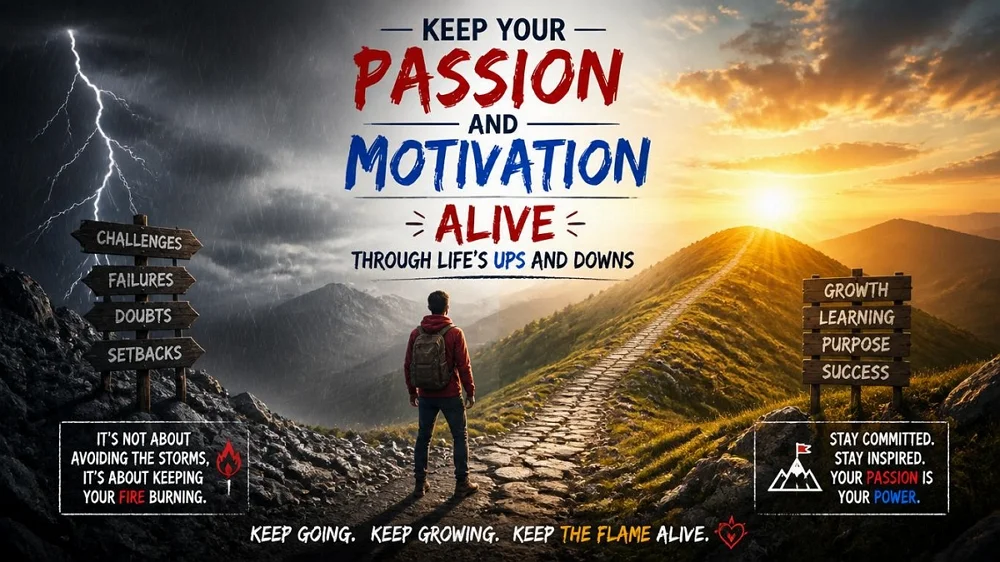
Life rarely moves in a straight line. Some seasons feel exciting and full of possibility, while others feel slow, uncertain, or exhausting. When the good days become inconsistent, it is easy to assume that your passion has disappeared. In reality, passion is not always a constant feeling of excitement. It is often a commitment that needs attention, healthy habits, meaningful goals, and enough space to recover.
The good news is that you can learn how to protect your motivation without pretending that difficult emotions do not exist. The following strategies can help you stay connected to what matters, regain momentum after setbacks, and keep your enthusiasm alive through life’s changing seasons.
1. Build a Healthy Lifestyle That Supports Your Energy
Passion is difficult to sustain when your body and mind are constantly running on empty. Regular movement, nutritious meals, adequate sleep, and time away from screens can give you a stronger foundation for pursuing the things you care about.
Physical activity does not need to be intense or complicated. A walk, a short workout, cycling, dancing, or any activity you genuinely enjoy can help you feel more alert and emotionally balanced. The World Health Organization reports that regular physical activity can improve mental well-being, enhance sleep, and reduce symptoms of depression and anxiety.[1]
A healthy lifestyle will not remove every challenge, but it can give you more energy and resilience when challenges appear.
2. Get to Know Yourself Better
The more clearly you understand yourself, the easier it becomes to choose goals that genuinely matter to you. Pay attention to your interests, strengths, weaknesses, values, and recurring sources of stress. Ask yourself what makes you feel engaged and what consistently leaves you feeling drained.
Self-awareness also helps you recognize temptation and distraction before they take over. When you know what usually pulls you away from your goals, you can create practical boundaries. When you understand what truly motivates you, you are more likely to build a life that supports lasting engagement rather than short bursts of excitement.
You do not need to have your entire future figured out. Self-knowledge develops gradually through reflection, experience, and honest experimentation.
3. Let Your Values Guide Your Decisions
Shortcuts can look attractive when you are eager to succeed. However, choices that conflict with your values often create stress, guilt, or inner conflict. Over time, that conflict can weaken your desire to continue.
Try to define the principles you want your life to reflect. Honesty, creativity, family, learning, service, independence, and courage are examples, but your own values may be different. Use them as a filter when choosing projects, relationships, and opportunities.
Living according to your values does not mean making perfect decisions. It means being willing to correct your direction when your actions no longer match the person you want to become. A sense of integrity can provide a steadier source of motivation than external praise alone.
4. Create a Routine That Makes Progress Easier
Motivation is helpful, but it is unreliable. A supportive routine reduces the number of decisions you need to make before taking action. Identify the daily or weekly habits that help you focus, manage your energy, and move toward your goals.
For example, an afternoon walk may help you sleep better, which may give you more energy the next day. A quiet planning session may help you start work with less resistance. Reading for twenty minutes may keep you connected to a subject you care about.
Do not design a routine that looks impressive but is impossible to maintain. Start with a few realistic actions and adjust them as your circumstances change. Consistency usually matters more than intensity.
5. Learn From Mistakes Instead of Living Inside Them
Mistakes can either become useful information or become permanent evidence against you. The difference often depends on how you interpret them. Instead of asking, “What is wrong with me?” try asking, “What did this experience teach me about my choices, preparation, or boundaries?”
Review what happened, identify what you can control, and decide what you will do differently next time. This approach does not excuse harmful behavior or eliminate disappointment. It simply prevents one difficult event from defining your entire identity.
Your past can be a guide without becoming a prison. Every lesson you apply gives you a better chance of making a wiser decision in the future.
6. Keep a Healthy Escape Within Reach
Everyone needs a safe way to step away from pressure. A healthy escape might be walking in nature, listening to music, gardening, drawing, reading, visiting a quiet place, or spending time on a hobby that has no connection to work.
The purpose is not to avoid every responsibility. It is to give your mind a chance to recover before stress becomes overwhelming. Choose activities that leave you calmer or more refreshed rather than activities that create additional problems.
Make your escape practical enough to use regularly. You do not have to travel far or spend much money. A nearby park, a favorite chair, or thirty minutes with a creative hobby can become a reliable place to reset.
7. Encourage Other People
Supporting someone else can remind you of your own strength. When you encourage a friend, colleague, or family member to keep going, you may also reconnect with the reasons you want to continue pursuing your own goals.
Encouragement does not have to sound dramatic. A thoughtful message, a sincere compliment, practical help, or simply listening can make a meaningful difference. Healthy relationships also provide perspective when you become too focused on your own setbacks.
The CDC notes that supportive social connections are important for mental and physical health and can help people manage stress more effectively. You do not need a large social circle. A few genuine and supportive relationships can be enough to make difficult periods feel less isolating.
8. Listen to Advice Without Accepting Every Opinion
It is easy to reject all criticism, especially when you feel vulnerable. It is just as risky to believe every opinion that comes your way. A better approach is to listen carefully and evaluate the source, intention, and usefulness of the advice.
Constructive feedback usually identifies a specific behavior and gives you something practical to consider. Destructive criticism often attacks your character without helping you improve. Ask yourself whether the person understands your situation, whether the feedback is supported by evidence, and whether applying it would move you closer to your values and goals.
You can respect someone’s perspective without allowing it to control your decisions.
9. Stay Connected and Involved During Difficult Periods
When you feel discouraged, withdrawing from everything may seem easier. A short period of solitude can be useful, but complete isolation often gives negative thoughts more room to grow. Staying involved in a meaningful activity or maintaining contact with supportive people can help you regain perspective.
Choose small forms of participation when your energy is low. Attend a class, reply to one message, help with a simple task, or spend time with someone who makes you feel grounded. You do not have to appear cheerful or highly productive. The goal is simply to remain connected to life while you recover your momentum.
If low mood, anxiety, or loss of interest continues and interferes with everyday life, consider speaking with a qualified mental health professional. The National Institute of Mental Health recommends seeking help when stress or anxiety becomes difficult to manage or disrupts daily activities.[3]
10. Know When to Slow Down
There is a difference between giving up and giving yourself time to recover. If everything feels pointless, unusually difficult, or emotionally exhausting, pushing harder may not be the most productive response.
Learn to notice your early warning signs of burnout: persistent tiredness, poor sleep, irritability, difficulty concentrating, or losing interest in activities you normally enjoy. When these signs appear, reduce unnecessary commitments, protect your sleep, and create space for recovery.
Rest should be part of your strategy, not a reward you receive only after reaching a breaking point. A sustainable pace may feel slower, but it can help you remain committed for much longer.
How to Keep Your Passion Alive for the Long Term
Lasting passion is not built by feeling motivated every day. It grows when your actions are connected to your values, your goals are supported by realistic routines, and your body and mind receive enough care. Self-determination theory identifies autonomy, competence, and relatedness as important psychological needs that support motivation and well-being.
In practical terms, this means choosing goals that feel meaningful, building skills gradually, and staying connected to people who support your growth. It also means accepting that your interests may change. Keeping your passion alive does not require remaining attached to one activity forever. Sometimes it means allowing an old interest to evolve into a new direction.
Final Thoughts
Life’s difficult periods do not automatically mean that you have lost your passion. They may be a signal to rest, change your routine, reconnect with your values, or ask for support. Build healthy habits, learn from mistakes, maintain supportive relationships, and give yourself permission to slow down when necessary.
Passion becomes more sustainable when it is treated as a practice rather than a permanent mood. You may not feel inspired every day, but you can continue taking meaningful steps toward a life that feels worthwhile.
References
[1]: “World Health Organization: Physical Activity“
[2]: “Centers for Disease Control and Prevention: Social Connection“
[3]: “National Institute of Mental Health: I’m So Stressed Out! Fact Sheet“
[4]: “American Psychological Association: Self-Determination Theory“
Note: This article is for general educational purposes and is not a substitute for professional medical or mental health advice.

1 Comment